Home / Service Areas / Dunedin
Dunedin Remodeling
Craftsman bungalows, block cottages, and a downtown historic core with its own approval process. Dunedin rewards a contractor who reads the rules first.
Home / Service Areas / Dunedin
Craftsman bungalows, block cottages, and a downtown historic core with its own approval process. Dunedin rewards a contractor who reads the rules first.
Dunedin has the oldest and most interesting housing stock we work in, and the tightest rules protecting it. The Historic Core downtown holds Folk Victorian and Queen Anne homes from the 1880s and 1890s, Craftsman bungalows from the 1910s and 1920s, Mediterranean Revival houses from the 1920s, and Florida Vernacular cottages. Around it sits a broad ring of mid-century block homes on small lots.
If a property carries a historic designation, exterior changes need a Certificate of Appropriateness before the work happens, and that approval is separate from the building permit. Roofline changes, exterior paint, window replacement, even landscaping can fall under it, and the standard is consistency with the surrounding neighborhood. A home over fifty years old can be eligible for designation, which catches owners off guard more often than it should.
The construction itself is the other half. Houses of this age hide things: cast iron drain lines at the end of their life, galvanized supply piping, wiring that has been added to four times, no insulation in the block walls, and previous work done without a permit that becomes your problem the moment an inspector sees it. We open these houses up expecting to find something, which is a very different posture from being surprised by it.
25+
Years of Experience
Top 1%
FL Contractors · BuildZoom
Work that respects the original architecture instead of erasing it, and that will survive review rather than getting stopped halfway through.
For designated properties, exterior work needs this approval separately from the permit. We prepare the drawings and specifications the review actually asks for.
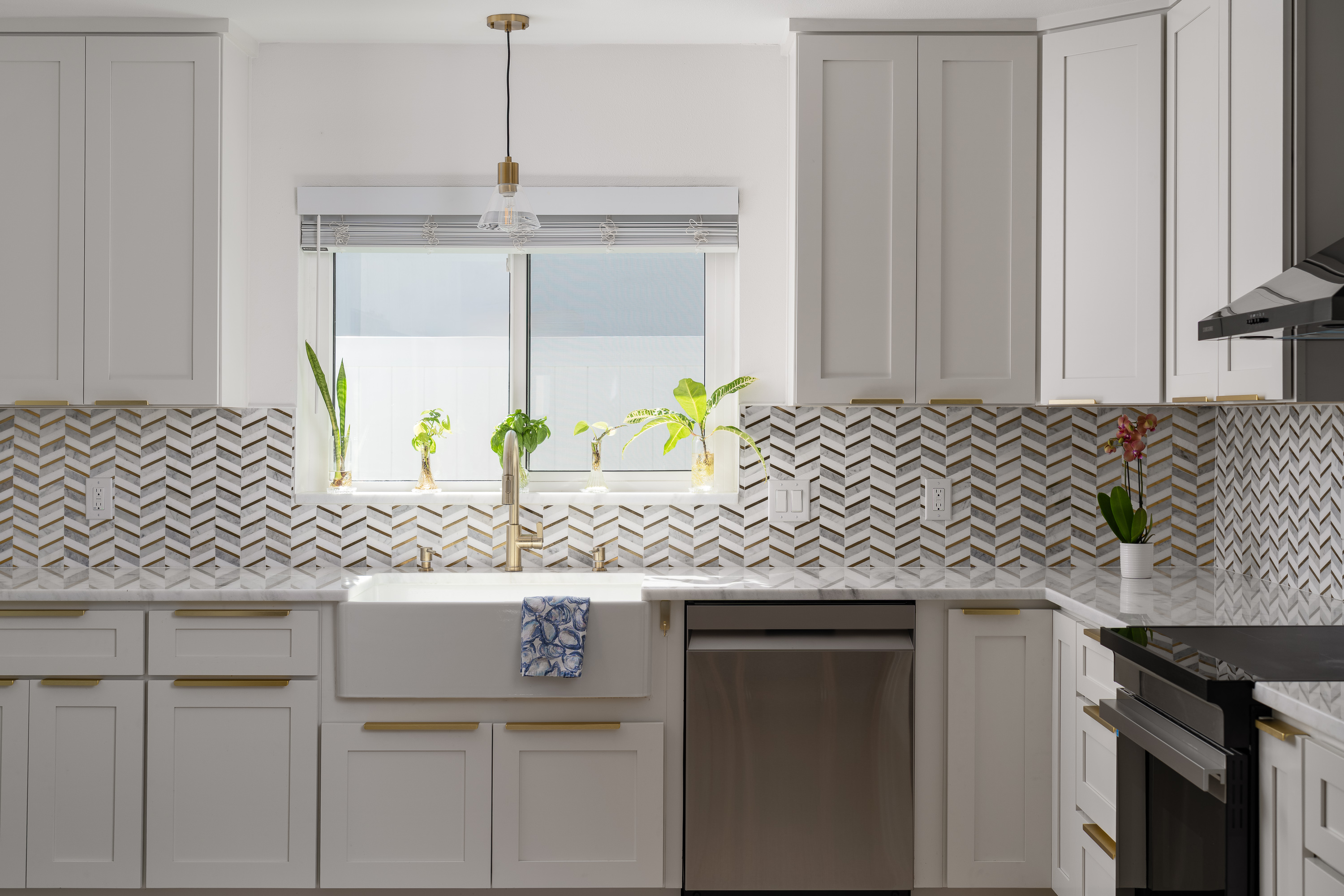
Small original kitchens reworked into something usable without gutting the character that made you buy the house. Frequently the highest-value room in the project.
Cast iron drains, galvanized supply lines, undersized panels, and layered wiring. Unglamorous, invisible when finished, and the reason old houses either last another fifty years or do not.
Downtown lots are tight and setbacks are unforgiving. Rear and side additions designed around what the lot and the code will genuinely allow.
Replacement that satisfies both current wind requirements and, on designated properties, a review board that cares what the window looks like from the street.
It is an approval required for exterior changes to a designated historic property, separate from and in addition to your building permit. It covers things like rooflines, exterior paint, and window replacement. Whether it applies depends on your specific property's designation, which is worth confirming before you plan anything.
Possibly. In Dunedin a home over fifty years old can be eligible for historic designation, which is not the same as already being designated. We check the property's actual status early, because it changes what the exterior scope can be.
Often yes, but the replacement usually has to match the original in profile, divided light pattern, and proportion rather than being whatever is on the shelf. That narrows the product list and lengthens lead time, so it is worth deciding early.
Cast iron waste lines that have rusted through, galvanized supply piping, wiring modified across several decades, no wall insulation, and earlier work done without permits. We budget for discovery rather than pretending an eighty-year-old house will behave like a new one.
Sometimes, and it depends entirely on the lot. Setbacks, lot coverage limits, and in a historic district the character requirements all constrain it. We check what is actually permissible before drawing something you cannot build.